
Caraquet, March 23, 2026 – The National Farmers Union in New Brunswick denounces the Department of Agriculture’s announcement of the phase-out of provincial veterinary services and laboratory services in New Brunswick which provide significant sector support to agricultural producers.
Canada already experiences a severe veterinarian shortage, impacting the health and well-being of the veterinary workforce. It is unrealistic to expect private veterinary clinics who already turn away new small animal clients, to extend their services to large animals and livestock. The additional expectation that provincial veterinarians would transition to joining or opening private practices is also extremely unlikely. With the vet shortage and lengths DAAF has gone to secure vets as government employees, we cannot imagine these excellent workers will not be in demand in other provinces at higher salaries.
Realized net farm income in New Brunswick in 2024 was -1% (farmers share after paying their bills); farmers are an income crisis struggling to survive. The total number of farms declined 18% from 2016-2021. The current cost for private vet services for large animals is estimated at four to five times higher than the provincial service, and will likely raise without competition. “The elimination of this essential service places an additional financial burden on our producers, who are already struggling to turn a profit. This could be the last straw for some producers, who will likely be forced to close their doors due to the lack of service or because the service has become too expensive.” Alexis Légère, President of NFU-NB.
This decision was made without consultation of the industry, veterinarians or other relevant stakeholders and staff. Farmers and livestock producers, particularly in Northern NB already know the outcomes of reduction in services and lack of access for new entrant farmers. “We aren’t being given any options, and the deadline is extremely tight. Most of our farms (in northern New Brunswick) are in isolated areas or are very far apart from one another. We don’t have the agricultural density of our neighbouring provinces to attract private sector interest in providing these services. Agriculture isn’t a luxury. There are small farms that will disappear—that’s for sure.” Guillaume Légère, cattle producer, PMG Farm.
The NFU-NB fears cuts to veterinary and lab services will also exponentially harm the industry in the event of emergency situations such as animal disease outbreak or climate related incidents. Access to local veterinary services and laboratories is key in managing animal health emergencies like Highly Pathogenic Avian Influenza (HPAI), as the CFIA who is tasked with managing emergencies does not have a single lab in the province and relies on private and provincial vets for support.
The New Brunswick food economy (agriculture, agri-food, beverage, seafood, and fisheries) accounts for the highest percentage of New Brunswick GDP, above forestry and mining and yet in comparison receives fractional departmental funding in relation to those other industries. Cutting agricultural services is contradictory and counterintuitive to DAAF’s proposed Grown Plan, since increasing New Brunswick’s self-sufficiency and land in production is not possible if we lose more farms. The trend of cutting agricultural research by AAFC and provincial vet and lab services is alarming given the current global climate and conflict which will have impacts on food costs and raise food insecurity rates further. Investing in small and medium scale farmers is key to food security and Canadian economic stability.
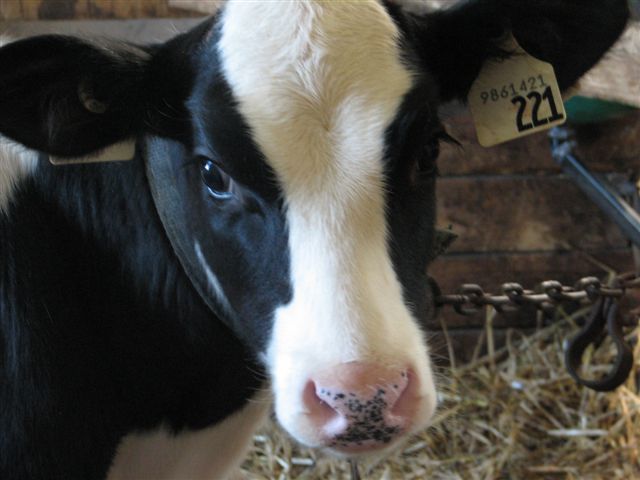
Farmers have some of the highest rates of stress and suicide in Canada, and most who raise livestock do not see their animals as products or crops. They care about the well-being of their animals, and a sick animal is stressful enough without being able to access vet services or be able to pay for them. Many cattle farmers in New Brunswick use veterinary services for preventative medicine, and rely on vets to tell whether their cows are pregnant or not, which greatly affects their plans as to whether to butcher an animal or not. Farmers will also be forced to take on more care of their animals themselves leaving them at risk for injury if something goes wrong.
The justification of aligning with Canadian standards of service is not good enough, there is no reason New Brunswick could not be a leader in livestock production and veterinary care. Cuts to research and services will increase farmers stress, result in farm closure, and increase food insecurity.
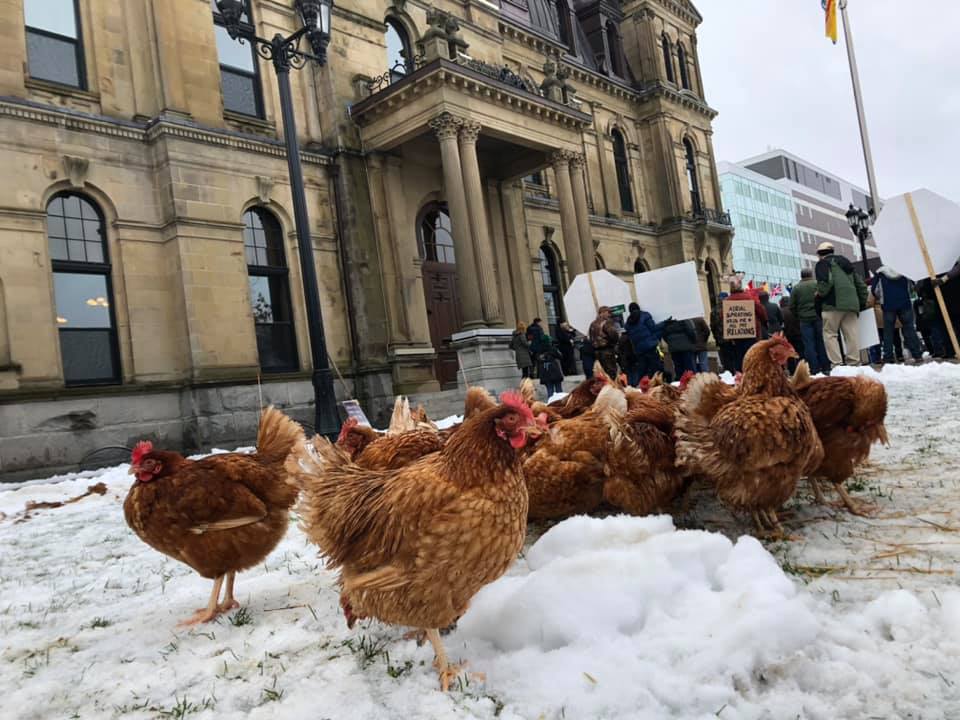
The NFU-NB demands the Department of Agriculture and the Province of New Brunswick re-evaluate this decision and how cuts are made to government services. Budgetary decisions should be made that have the least impact to our economy, farmers health, and our self-sufficiency. We strongly advocate for an equitable taxation system that would keep more New Brunswick generated money in the province without increasing the burden on New Brunswick citizens. We encourage all NB farmers and consumers concerned about this loss of service to call your MLA and the main office of the Department of Agriculture to register your complaints.
The National Farmers Union in New Brunswick is one of two accredited general farm organizations in the province. Our organization represents and fights for farms of all sizes and commodities.
-30-
Media Contact –
Alexis Légère: alexis@lesracineslegere.ca – 506-726-6965